Fossil Types Dinosaurs Prehistoric Mammals Fossil Formation Geological Eras About Us Contact Us
📘 SUBJECT ARCHIVE

Subject Guides

Explore structured study guides, course summaries, and learning resources.

Body Fossils vs Trace Fossils What Bones, Footprints, and Burrows Reveal
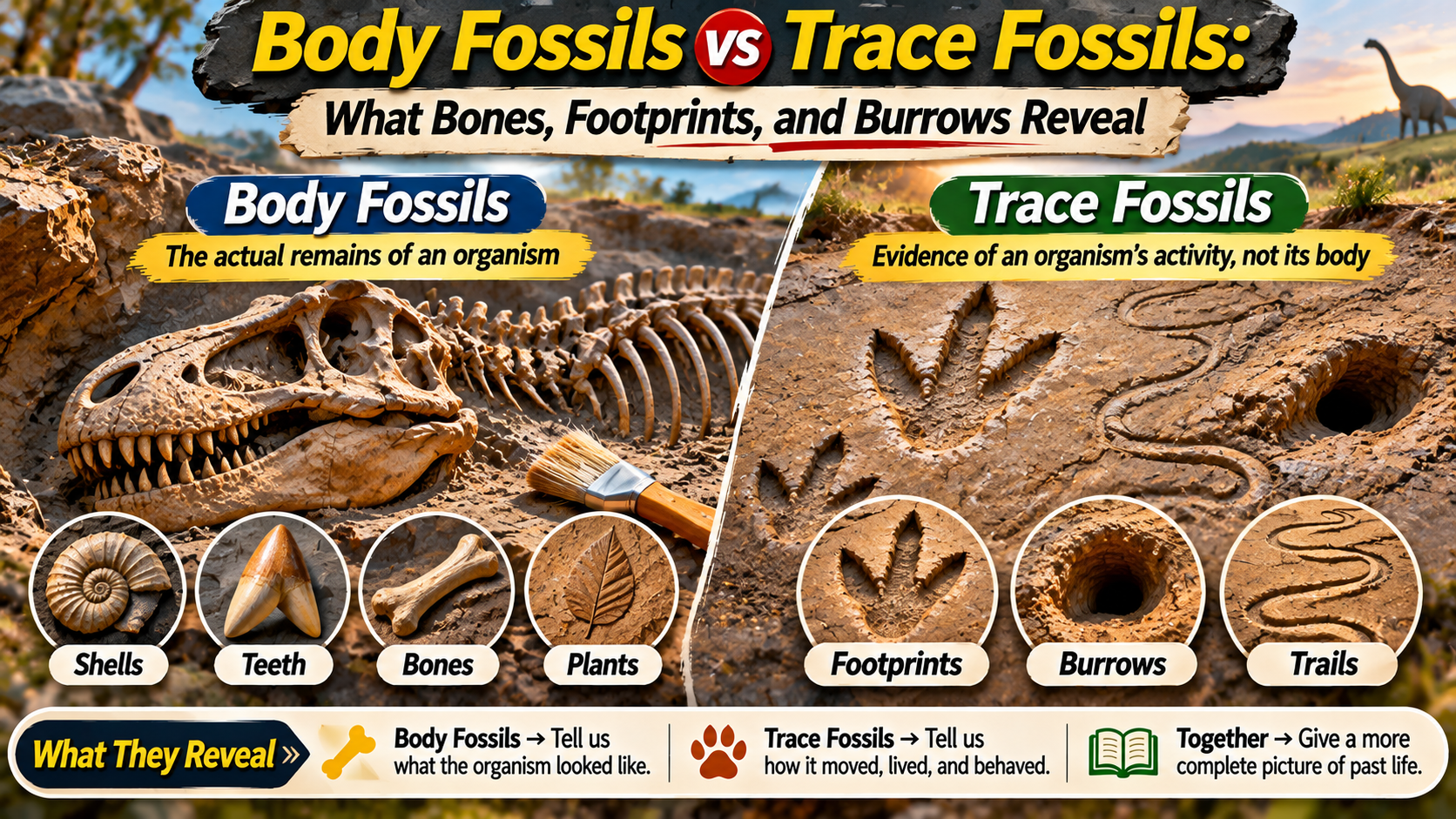
PALEONTOLOGY FIELD JOURNAL / SPECIMEN STUDY 014 Reading the Ancient World Through Preserved Evidence Bones, teeth, footprints, burrows, and other traces preserve different chapters of prehistoric life. Understanding the difference between body fossils and trace fossils helps scientists reconstruct not only what ancient organisms looked like, but also how they moved, fed, interacted, and survived. … Read more
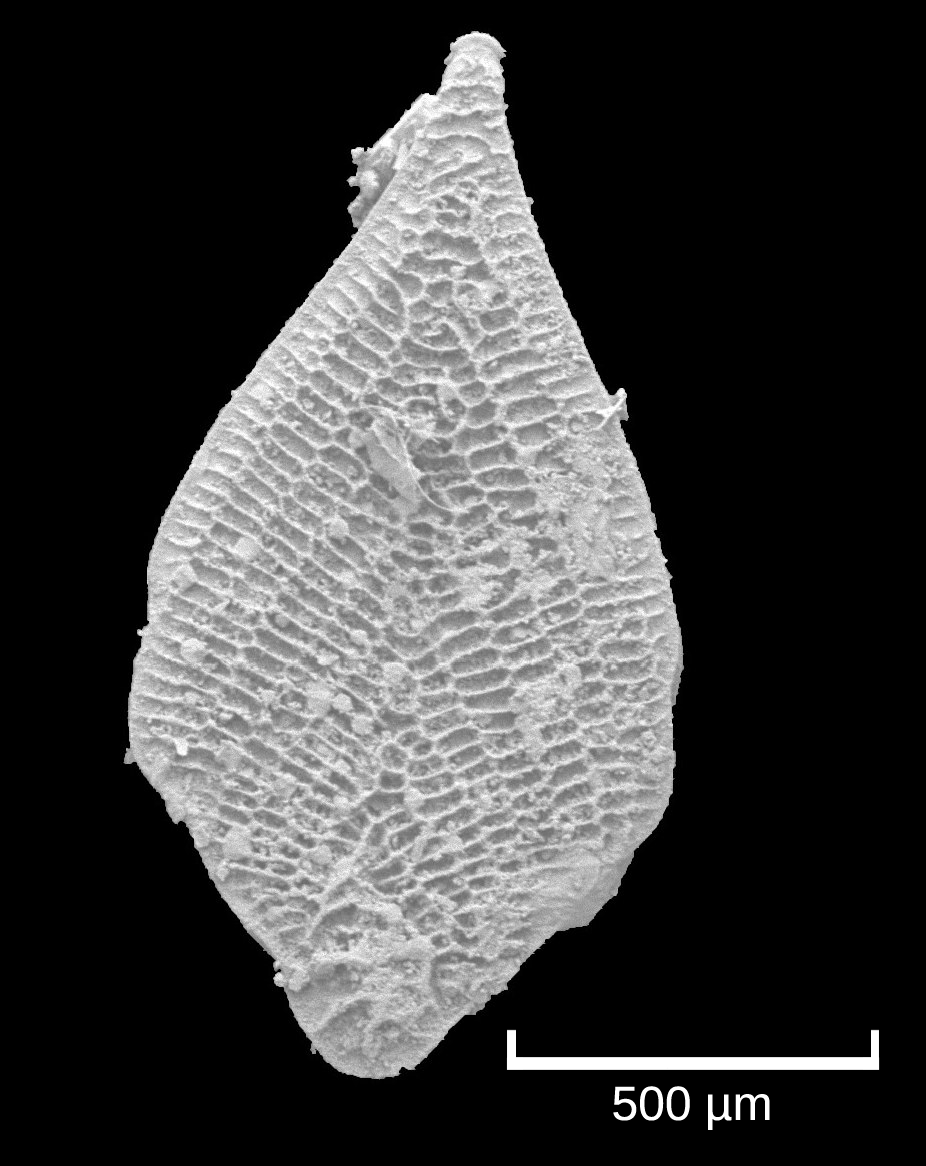
Microfossils in Deep Time: Foraminifera, Radiolarians, and Diatoms as Paleoclimatic Clocks

When the public envisions paleontology, grandiose images of fossilized dinosaur femurs, sabertooth skulls, and mammoth tusks dominate the cultural landscape. Yet in the scientific trenches of evolutionary biology, oceanography, petroleum exploration, and paleoclimatology, the most transformative fossils on Earth are so microscopic that thousands can rest comfortably on the head of a pin. These are … Read more

Molds, Casts, and Steinkerns: How Sediment Mechanics Replicate Ancient Organic Anatomy

When most people contemplate fossil discoveries, they envision dense, heavy bones or mineralized shells chiseled directly out of sedimentary stone. Yet in numerous geological strata worldwide, the original organic molecules and biomineralized hard parts of ancient organisms have completely vanished. Through chemical dissolution, groundwaters dissolve away skeletal aragonite and calcite, leaving behind an empty void … Read more

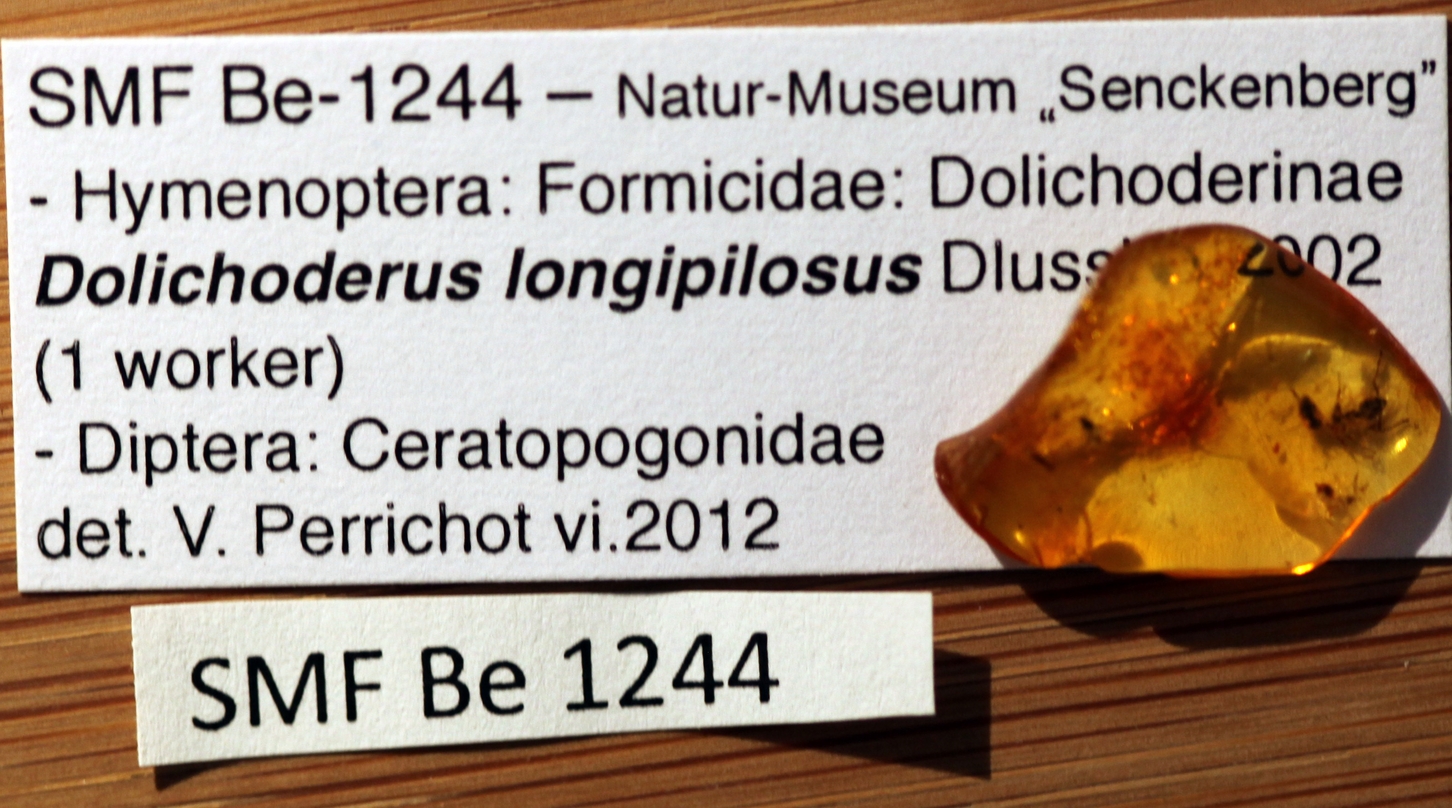
Amber Inclusions: The Exceptional Preservation of Cretaceous and Paleogene Soft-Bodied Organisms

Throughout the history of paleontology, the vast majority of fossil specimens are recovered as compressed, mineral-replaced stone fragments embedded in sedimentary strata. While bones and shells tell the monumental story of vertebrate and molluscan evolution, the fragile microcosms of terrestrial life — insects, arachnids, fungal spores, feathers, and delicate floral structures — rarely survive the … Read more

Body Fossils vs. Trace Fossils: The Taphonomic Science of Skeletal Preservation and Ichnology

In the vast expanse of earth’s geological record, the history of ancient life is preserved through two fundamentally distinct taphonomic categories: body fossils and trace fossils. While the public imagination frequently gravitates toward towering dinosaur skeletons, gleaming ammonite shells, and petrified bones, the behavioral footprint of ancient ecosystems is recorded with equal scientific power through … Read more