Fossil Types Dinosaurs Prehistoric Mammals Fossil Formation Geological Eras About Us Contact Us
📘 SUBJECT ARCHIVE

Subject Guides

Explore structured study guides, course summaries, and learning resources.

The Cenozoic Age of Mammals: From the Paleocene Thermal Maximum to the Quaternary Ice Ages
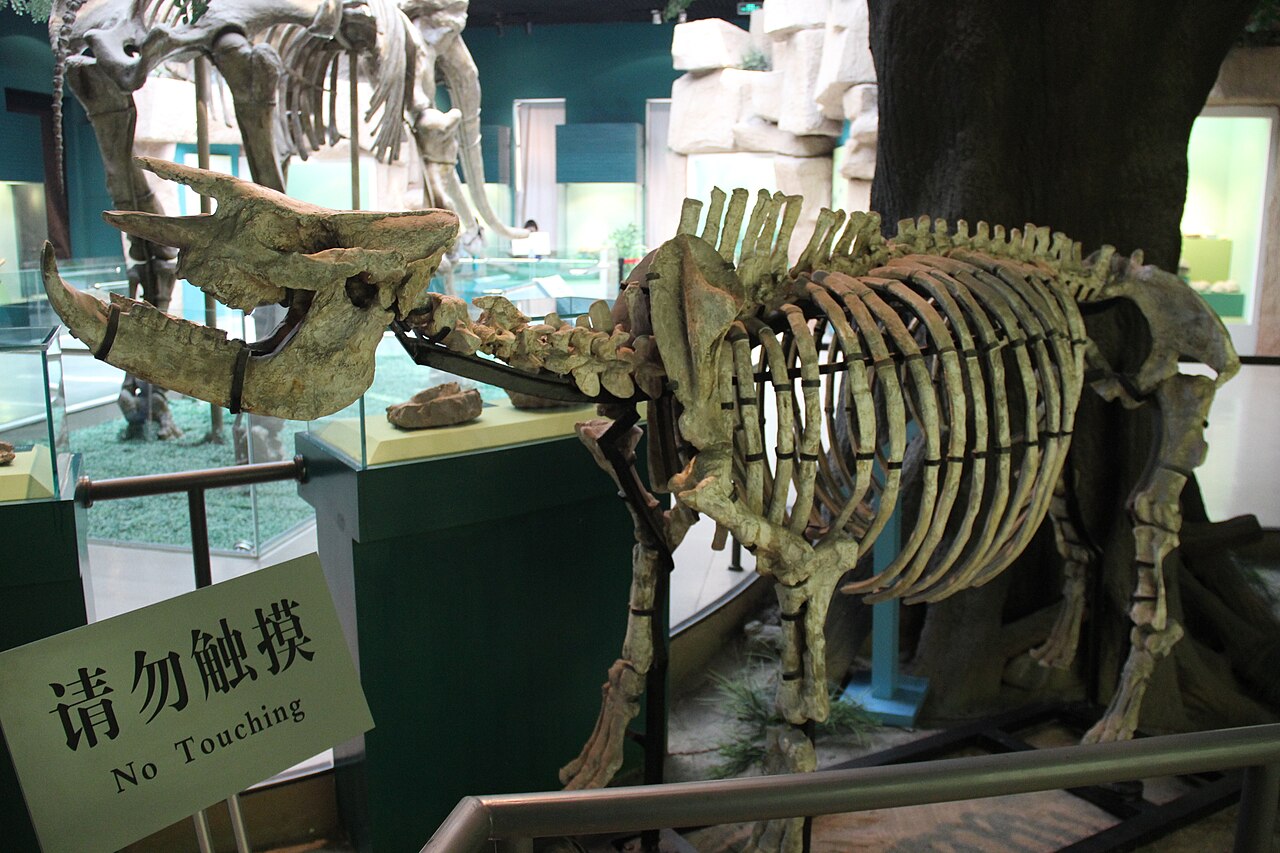
When the Chicxulub asteroid obliterated non-avian dinosaurs 66 million years ago, it abruptly terminated the Mesozoic Era and initiated the third great chapter of complex terrestrial life: the Cenozoic Era — the Age of Mammals. Spanning from the Cretaceous-Paleogene extinction boundary to the modern day, the Cenozoic is our geological home. Across its 66-million-year arc, … Read more
The Mesozoic Era: Triassic Dawn, Jurassic Giants, and the Cretaceous Extinction Boundary

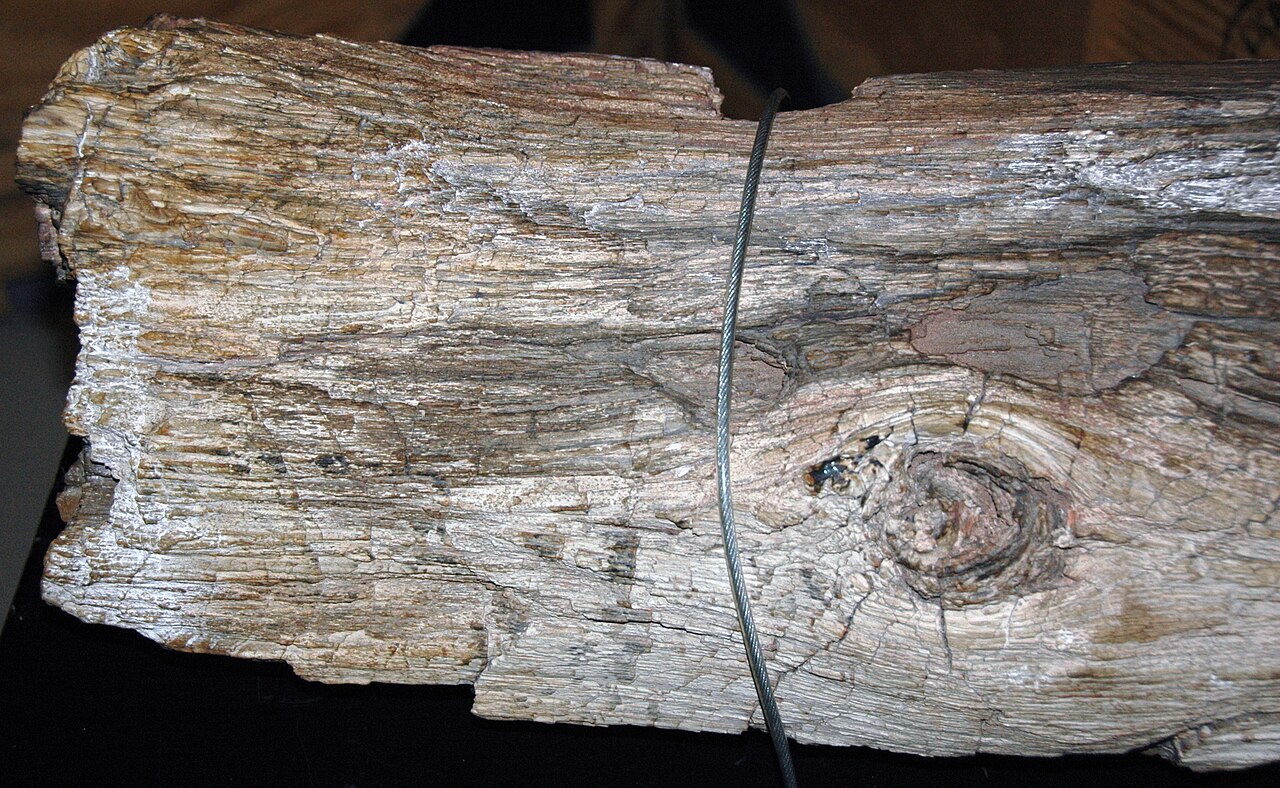
Spanning an immense chronological expanse of nearly 186 million years — from 251.9 million years ago to 66.0 million years ago — the Mesozoic Era is universally celebrated as the Age of Reptiles. Yet to define this profound geological era merely as the dominion of dinosaurs is to overlook the fundamental structural, climatic, and biological … Read more

The Permian-Triassic Mass Extinction: The ‘Great Dying’ and Deep Ocean Anoxia 252 Million Years Ago

Throughout the 540-million-year history of complex multicellular life, our planet has weathered five monumental mass extinction events — the catastrophic ‘Big Five.’ Yet among these global cataclysms, one event stands so terrifyingly colossal in its scale of biological devastation that paleontologists universally refer to it as The Great Dying: the Permian-Triassic (P-Tr) Mass Extinction, which … Read more

The Cambrian Explosion: The Rapid Radiation of Bilaterian Phyla and the Dawn of Complex Metazoans

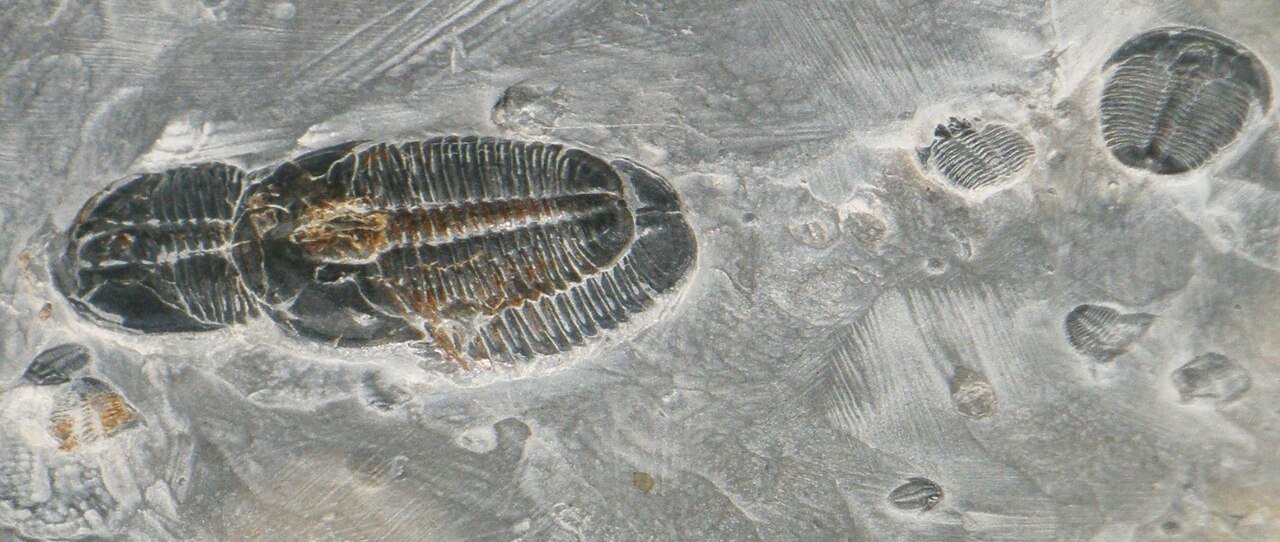
For the first three billion years of Earth’s biological chronology, life remained almost exclusively microscopic, unicellular, and marine — an endless expanse of cyanobacterial mats, simple prokaryotes, and primitive microbial ecosystems. Even the emergence of the enigmatic, frond-like Ediacaran biota in the late Neoproterozoic presented soft, quilted organisms that largely lacked active digestive systems, predatory … Read more