Fossil Types Dinosaurs Prehistoric Mammals Fossil Formation Geological Eras About Us Contact Us
PALEONTOLOGY & PREHISTORIC LIFE ARCHIVES

Chronicles of Deep Time.
The Science of Fossils & Ancient Life.

Authoritative scientific monographs exploring dinosaurian biomechanics, Pleistocene megafauna, taphonomic preservation, and Earth's 3.8-billion-year fossil record.

Latest Paleontological Monographs & Articles

Rigorous scientific monographs, evolutionary transitions, and fossil analyses from accredited paleobiology research.

Showing 11 posts per page

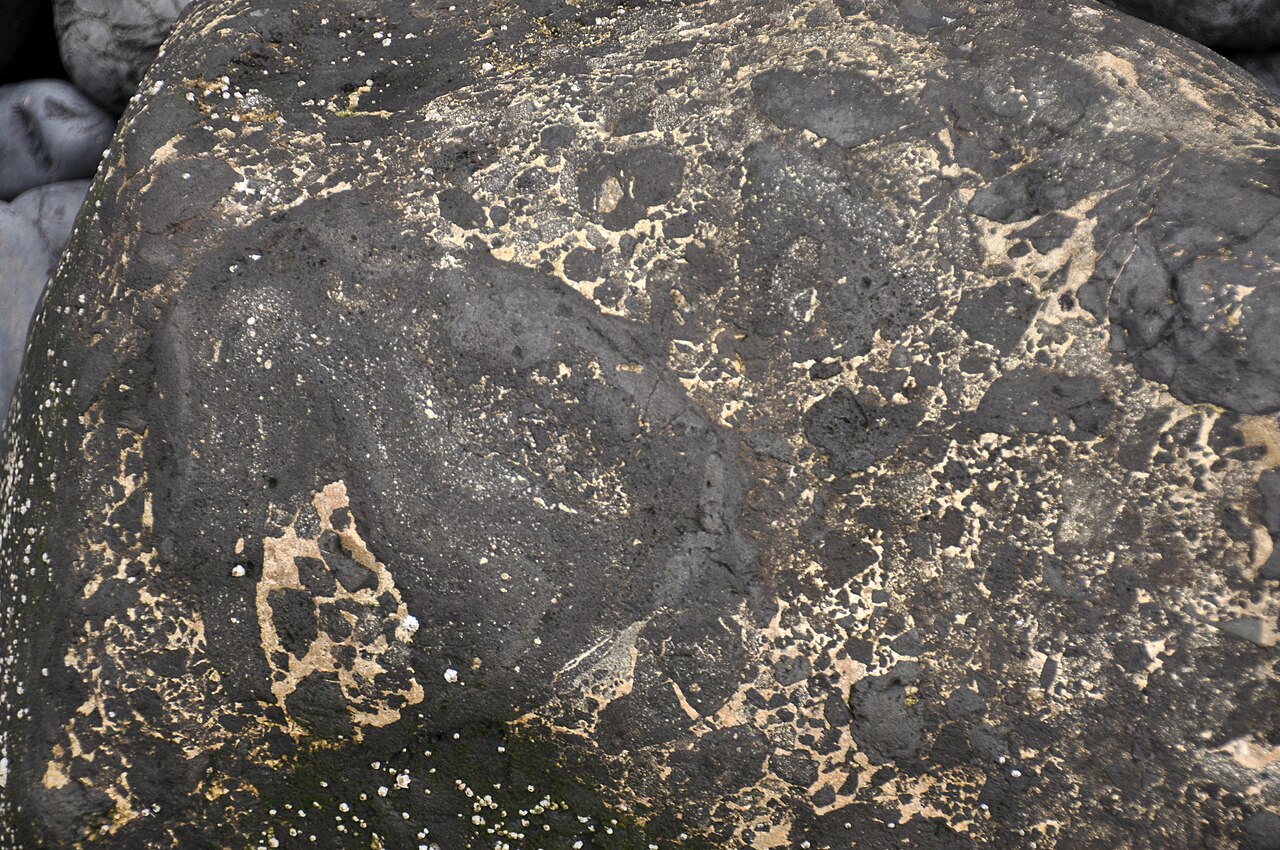
How Bones Turn into Fossils Burial, Minerals, and the Role of Time
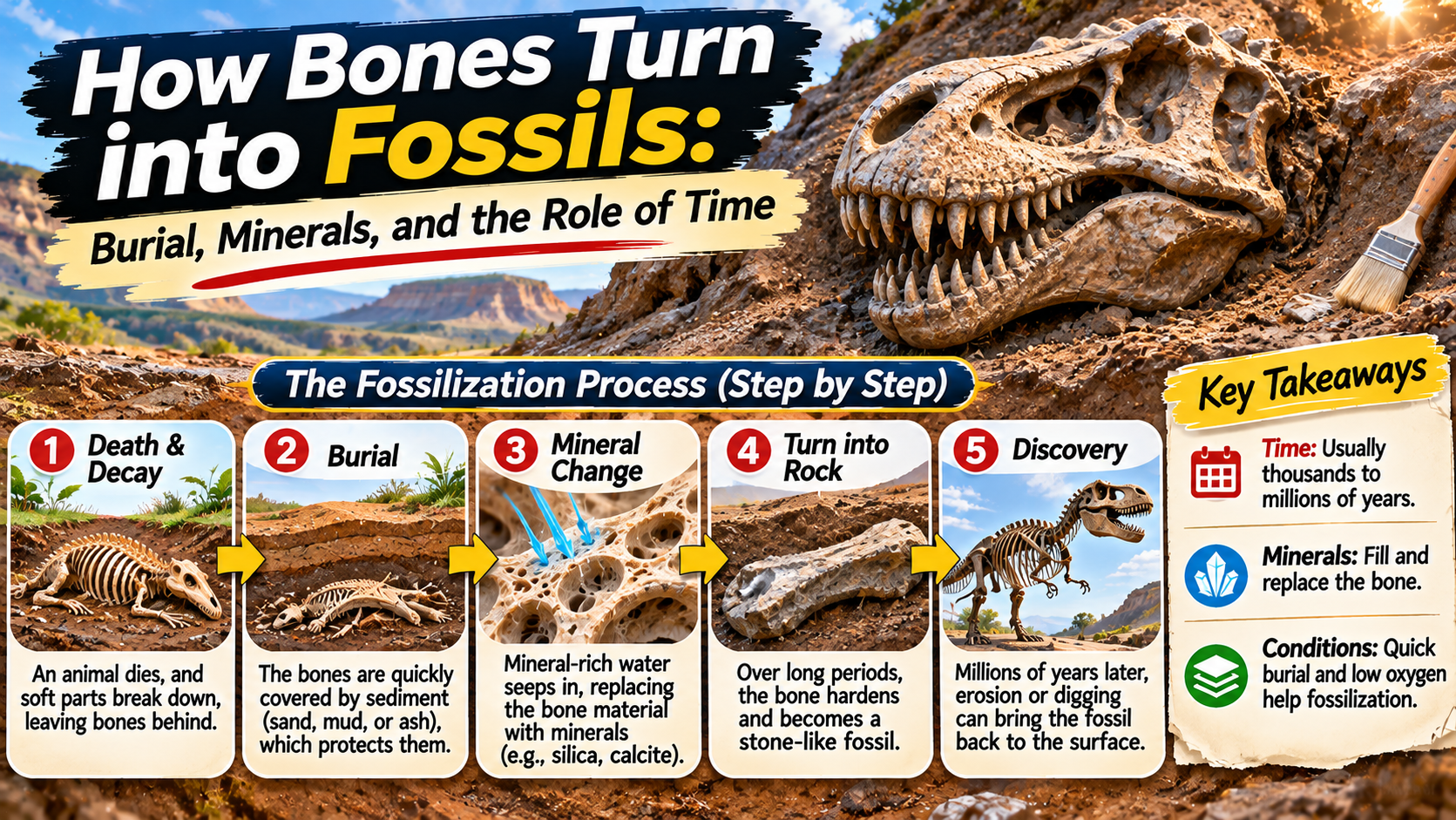
EARTH SCIENCE ARCHIVE / FOSSIL FORMATION From Ancient Bones to Stone: The Science of Fossilization Discover how burial, groundwater, mineral chemistry, and geological processes can preserve the remains of ancient animals for millions of years. BURIAL   →   MINERALIZATION   →   ROCK FORMATION   →   DISCOVERY When an animal dies, its bones … Read more
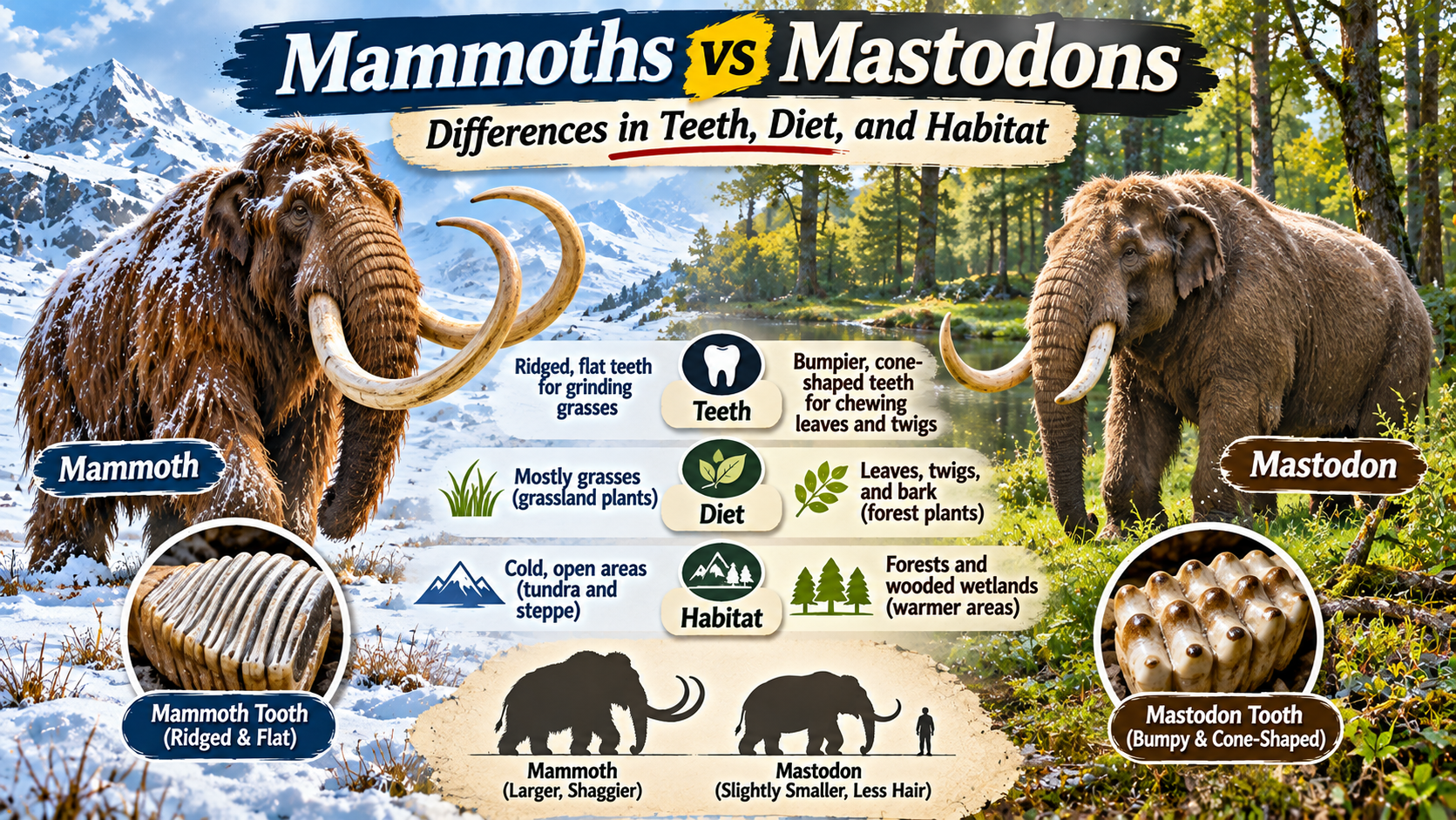
Mammoths vs Mastodons Differences in Teeth, Diet, and Habitat

NATURAL HISTORY COLLECTION / EXHIBIT 004 Two Ice Age Giants. Two Very Different Ways of Life. Discover how mammoths and mastodons evolved different teeth, feeding strategies, and habitat preferences despite their similar elephant-like appearance. PREHISTORIC MAMMALS   /   PROBOSCIDEA   /   ICE AGE ECOSYSTEMS Imagine walking through North America during the last Ice … Read more

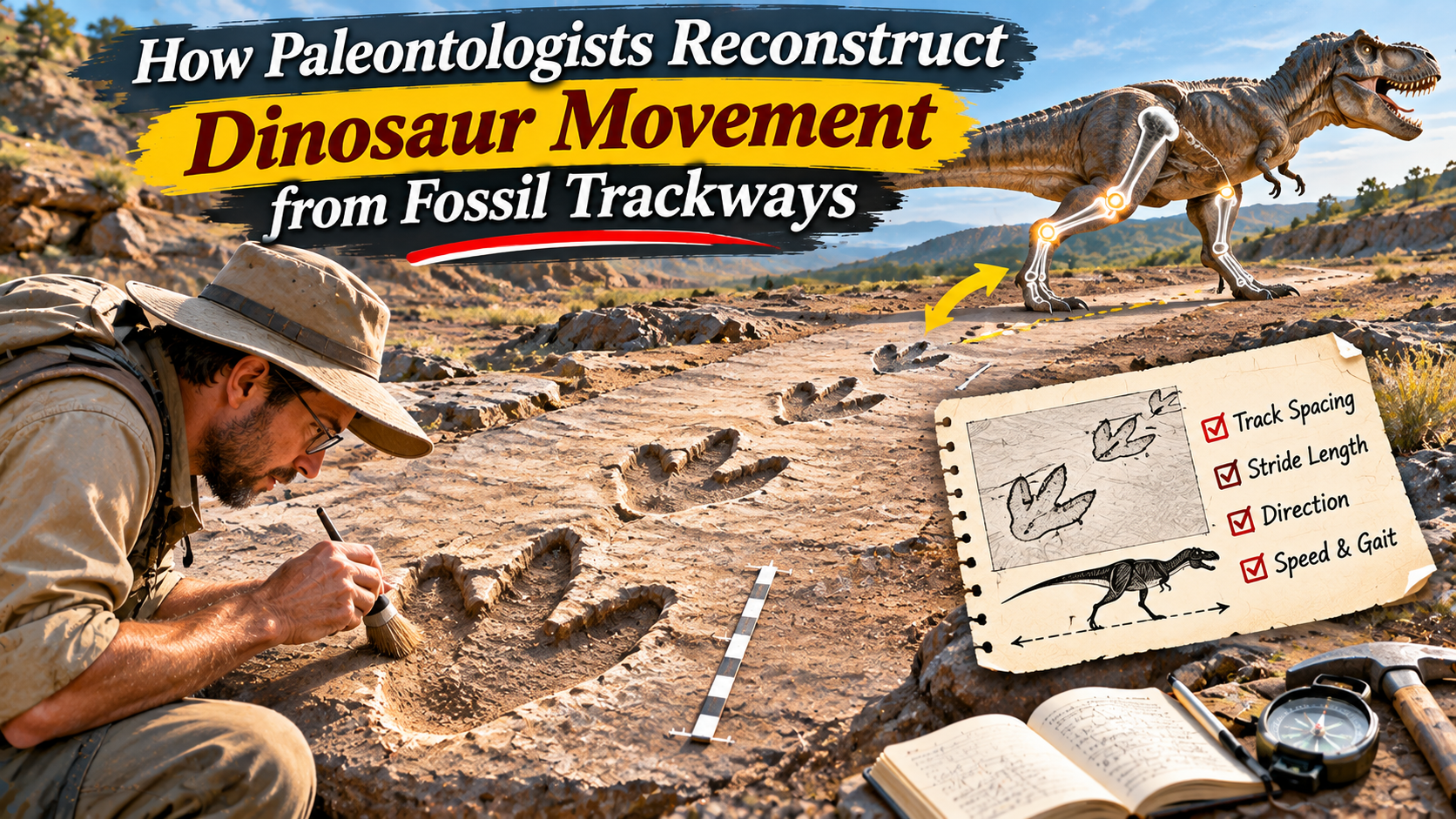
How Paleontologists Reconstruct Dinosaur Movement from Fossil Trackways

PALEONTOLOGY FIELD JOURNAL / FOSSIL EVIDENCE Ancient Footprints, Living Movements: Reading the Dinosaur Fossil Record A dinosaur’s bones reveal its anatomy. Its footprints can reveal how it actually moved across an ancient landscape. FIELD: VERTEBRATE ICHNOLOGY · EVIDENCE: FOSSIL TRACKWAYS · METHOD: BIOMECHANICAL ANALYSIS Millions of years after dinosaurs disappeared, their footprints continue to preserve … Read more

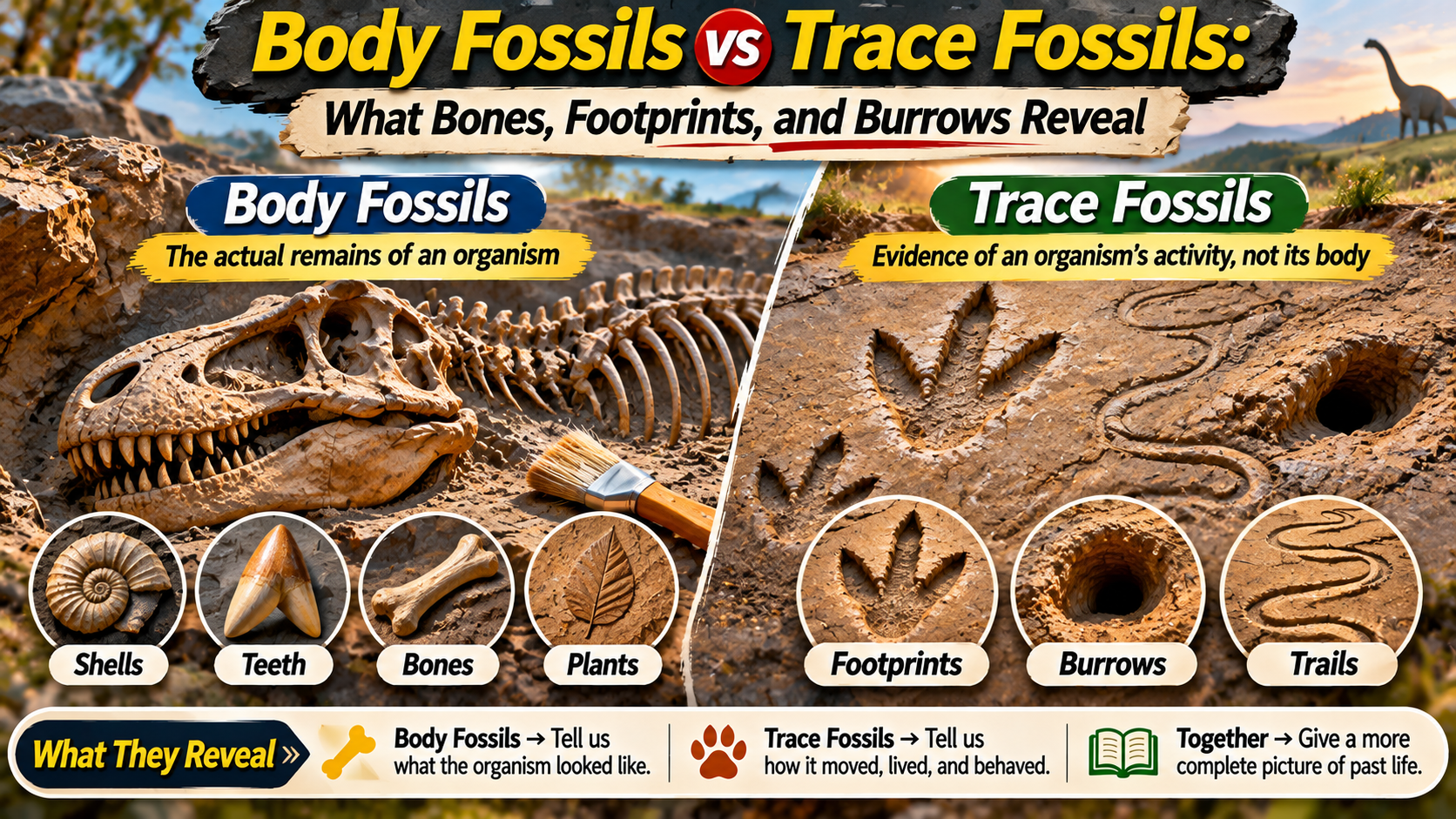
Body Fossils vs Trace Fossils What Bones, Footprints, and Burrows Reveal

PALEONTOLOGY FIELD JOURNAL / SPECIMEN STUDY 014 Reading the Ancient World Through Preserved Evidence Bones, teeth, footprints, burrows, and other traces preserve different chapters of prehistoric life. Understanding the difference between body fossils and trace fossils helps scientists reconstruct not only what ancient organisms looked like, but also how they moved, fed, interacted, and survived. … Read more

The Cenozoic Age of Mammals: From the Paleocene Thermal Maximum to the Quaternary Ice Ages

When the Chicxulub asteroid obliterated non-avian dinosaurs 66 million years ago, it abruptly terminated the Mesozoic Era and initiated the third great chapter of complex terrestrial life: the Cenozoic Era — the Age of Mammals. Spanning from the Cretaceous-Paleogene extinction boundary to the modern day, the Cenozoic is our geological home. Across its 66-million-year arc, … Read more

The Mesozoic Era: Triassic Dawn, Jurassic Giants, and the Cretaceous Extinction Boundary

Spanning an immense chronological expanse of nearly 186 million years — from 251.9 million years ago to 66.0 million years ago — the Mesozoic Era is universally celebrated as the Age of Reptiles. Yet to define this profound geological era merely as the dominion of dinosaurs is to overlook the fundamental structural, climatic, and biological … Read more

The Permian-Triassic Mass Extinction: The ‘Great Dying’ and Deep Ocean Anoxia 252 Million Years Ago

Throughout the 540-million-year history of complex multicellular life, our planet has weathered five monumental mass extinction events — the catastrophic ‘Big Five.’ Yet among these global cataclysms, one event stands so terrifyingly colossal in its scale of biological devastation that paleontologists universally refer to it as The Great Dying: the Permian-Triassic (P-Tr) Mass Extinction, which … Read more

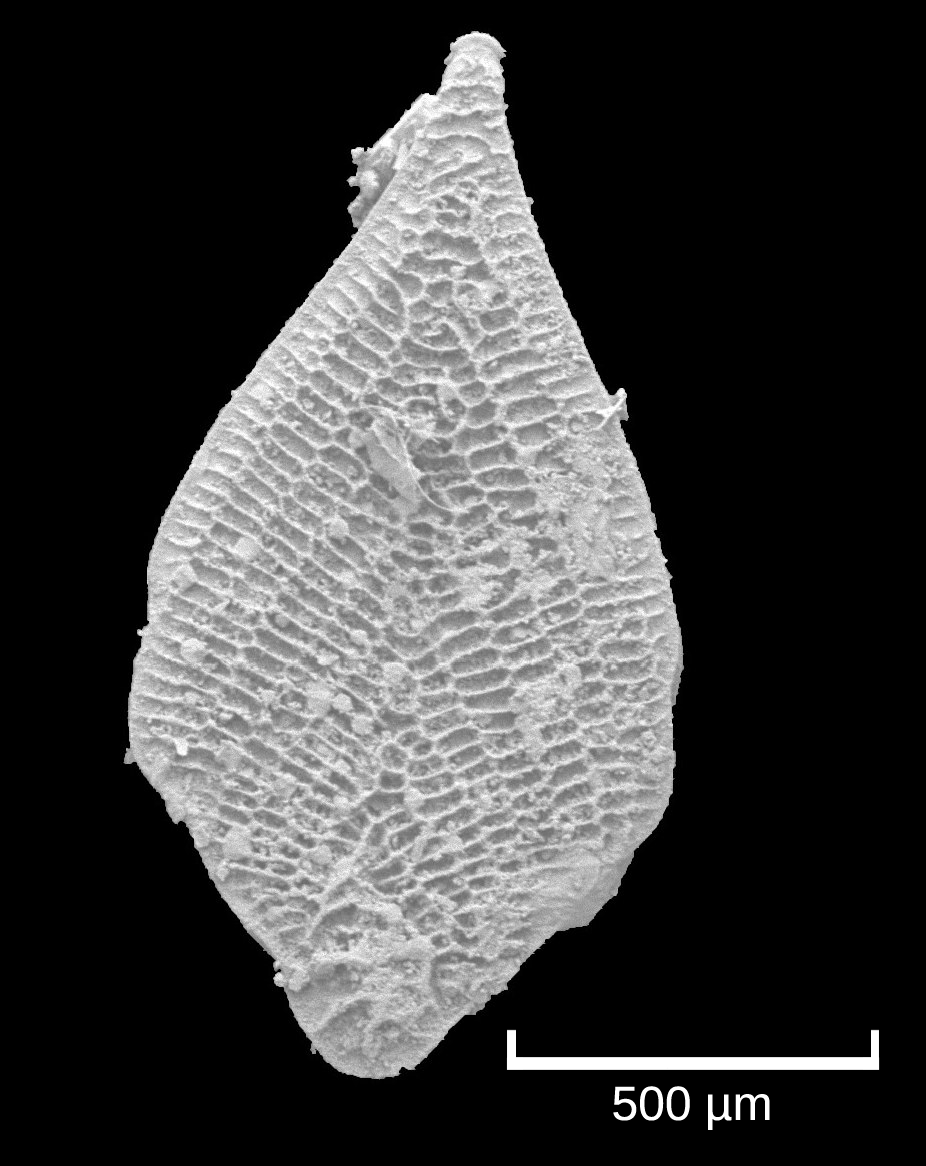
Microfossils in Deep Time: Foraminifera, Radiolarians, and Diatoms as Paleoclimatic Clocks

When the public envisions paleontology, grandiose images of fossilized dinosaur femurs, sabertooth skulls, and mammoth tusks dominate the cultural landscape. Yet in the scientific trenches of evolutionary biology, oceanography, petroleum exploration, and paleoclimatology, the most transformative fossils on Earth are so microscopic that thousands can rest comfortably on the head of a pin. These are … Read more

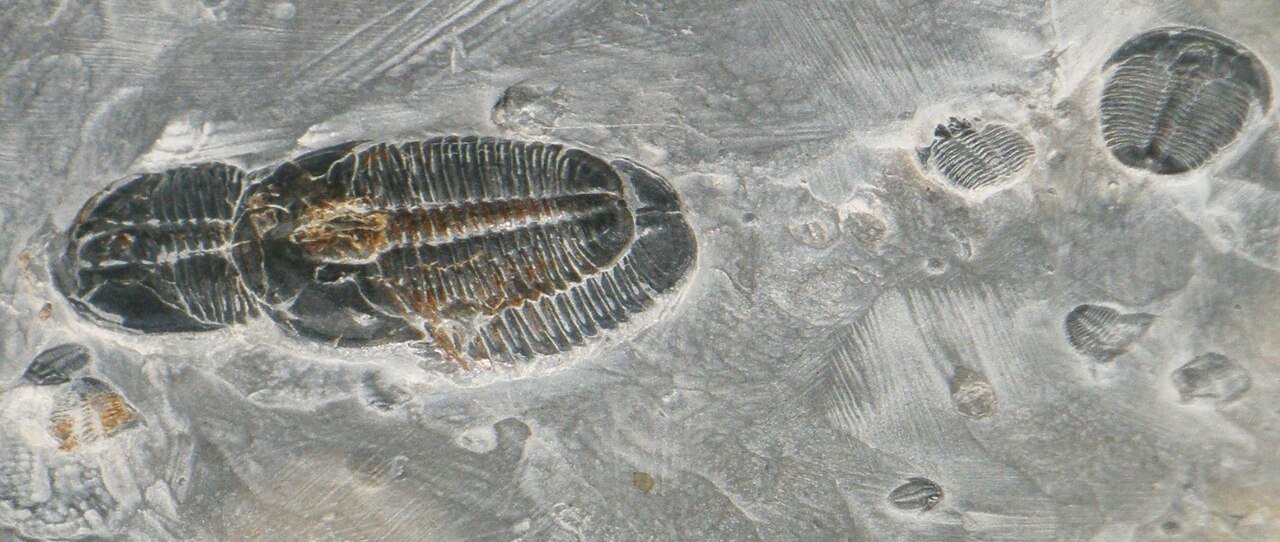
The Cambrian Explosion: The Rapid Radiation of Bilaterian Phyla and the Dawn of Complex Metazoans

For the first three billion years of Earth’s biological chronology, life remained almost exclusively microscopic, unicellular, and marine — an endless expanse of cyanobacterial mats, simple prokaryotes, and primitive microbial ecosystems. Even the emergence of the enigmatic, frond-like Ediacaran biota in the late Neoproterozoic presented soft, quilted organisms that largely lacked active digestive systems, predatory … Read more

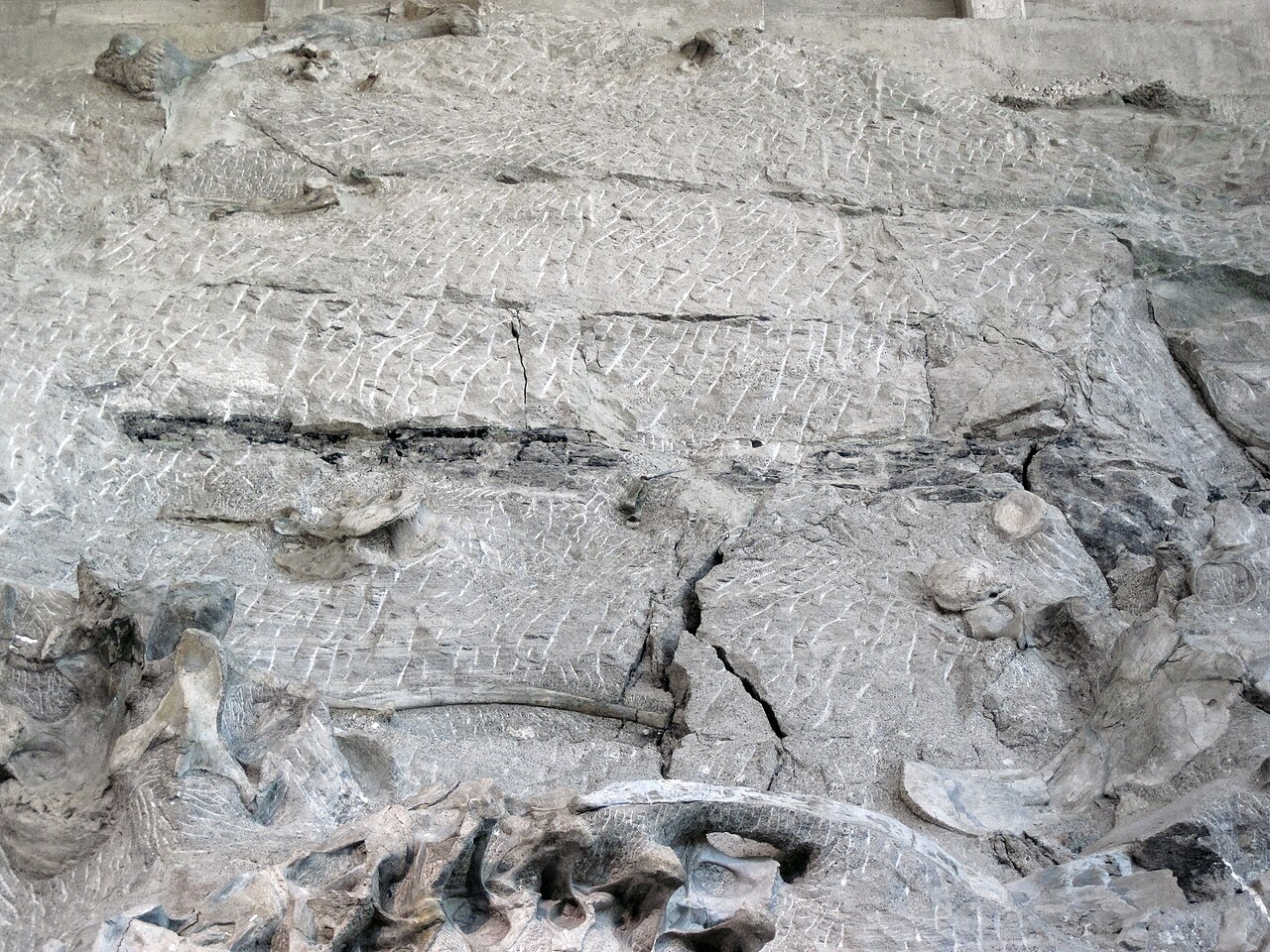
Taphonomy and Diagenesis: The Post-Mortem Journey from Organic Remains to Lithified Strata

When Charles Darwin reflected upon the imperfections of the geological record in On the Origin of Species, he famously described it as a history of the world imperfectly kept, written in a changing dialect, and of which we possess but a few pages of a single volume. What Darwin was describing is the core discipline … Read more