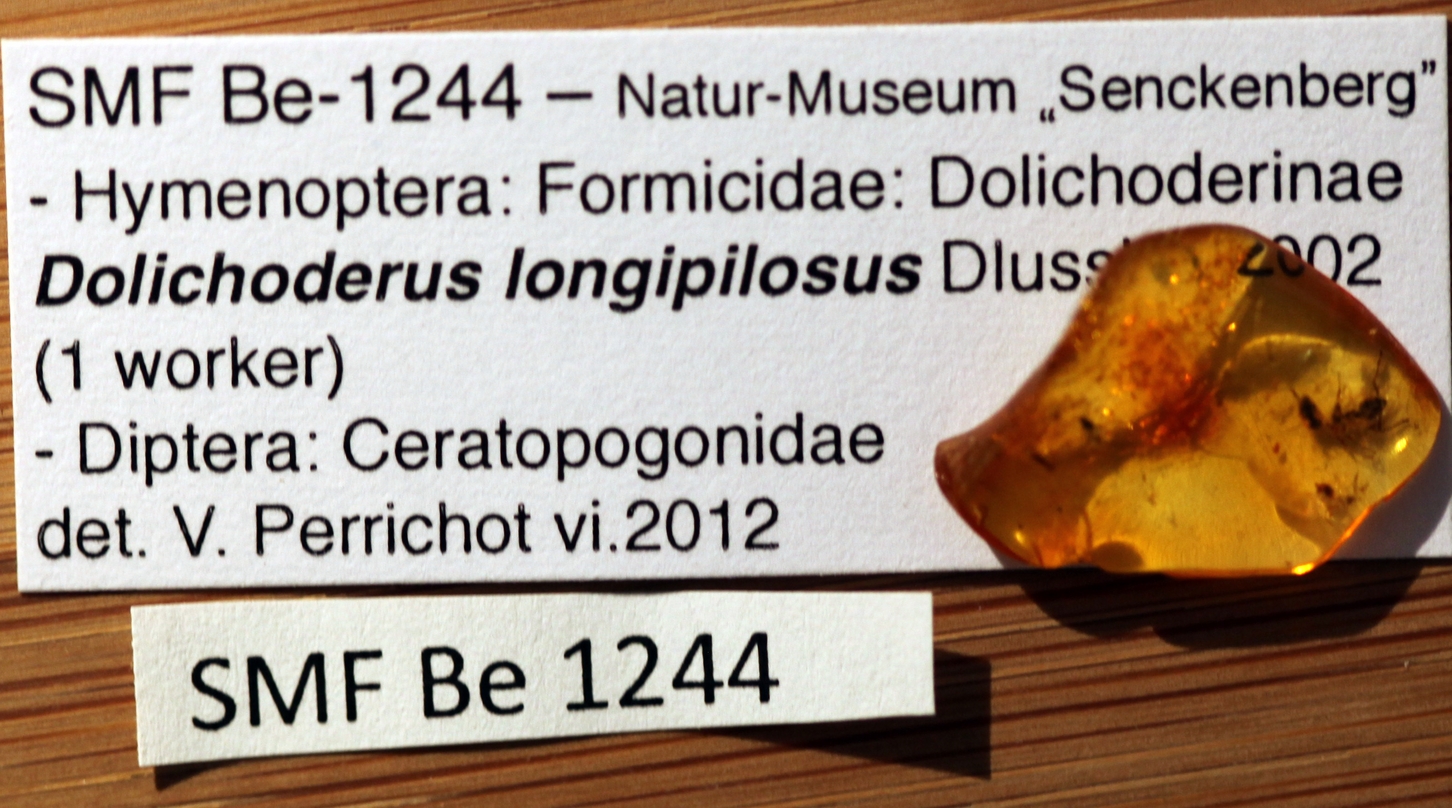
Throughout the history of paleontology, the vast majority of fossil specimens are recovered as compressed, mineral-replaced stone fragments embedded in sedimentary strata. While bones and shells tell the monumental story of vertebrate and molluscan evolution, the fragile microcosms of terrestrial life — insects, arachnids, fungal spores, feathers, and delicate floral structures — rarely survive the violent processes of decay, weathering, and diagenesis. However, nature devised an astonishing preservation medium that acts as an optical time capsule: fossilized plant resin, commonly known as amber. Amber inclusions provide an unmatched level of three-dimensional, cellular-grade preservation, freezing moments of Cretaceous and Paleogene ecosystems in transparent golden suspension.
Executive Takeaway: The Resin Time Capsule
Amber is fossilized tree resin (not sap) that polymerizes under geological heat and pressure. Amber inclusions represent exceptional Konservat-Lagerstätten, encapsulating delicate insects, spiders, nematodes, feathers, and floral stamens in lifelike 3D detail. Major deposits in Myanmar (Cretaceous) and the Baltic/Dominican regions (Paleogene-Neogene) have redefined our understanding of Mesozoic and Cenozoic terrestrial biodiversity.
The Chemical Genesis: From Plant Resin to Lithified Amber
To understand the preservation power of amber, one must distinguish tree resin from botanical sap. Sap is a watery vascular fluid composed of sugars, nutrients, and dissolved salts transported through plant xylem and phloem to nourish tissues. In contrast, resin is a complex, sticky, hydrocarbon-dense secondary metabolite secreted by specialized epithelial cells within secretory ducts of gymnosperms (conifers) and angiosperms (flowering plants).
Plants exude resin primarily as a chemical and mechanical defense mechanism. When a tree’s bark is damaged by wood-boring insects, fungal pathogens, or mechanical trauma, aromatic resin flows over the wound. The volatile terpenes and aromatic phenolic compounds in the resin act as potent natural bactericides, fungicides, and insect repellents, while the sticky viscosity physically entraps invading parasites. This natural antiseptic property is the critical taphonomic driver: when small organisms are engulfed by resin, the chemical environment instantly halts microbial decomposition and desiccates the organism’s soft tissues from within.
| Major Amber Deposit | Geological Age | Botanical Plant Source | Paleoecological Highlights |
|---|---|---|---|
| Burmese Amber (Kachin, Myanmar) | Mid-Cretaceous (~99 Ma) | Araucariacean Conifers (Agathis-like) | Feathered dinosaur tails, enantiornithine birds, ancient ants, ticks parasitizing dinosaurs |
| Baltic Amber (Northern Europe) | Eocene (~44 – 48 Ma) | Sciadopityaceae or Pinaceae conifers | Over 3,500 species of arthropods, social wasps, mantises, fungal fruiting bodies |
| Dominican Amber (Hispaniola) | Miocene (~16 – 20 Ma) | Extinct Legume Tree (Hymenaea protera) | Lizards (Anolis), frogs, stingless bees, termites with gut symbiont protozoans |
| Canadian Amber (Alberta / Manitoba) | Late Cretaceous (Campanian, ~78 Ma) | Cupressaceous and Pinaceous conifers | Cretaceous aphid radiations, avian down feathers, microscopic fungal hyphae |
The Physics of Entrapment and Taphonomic Process
The process of entrapment within amber occurs in sequential stages. An organism makes accidental contact with a fresh, viscous resin flow. The resin adheres immediately to the exoskeleton, feathers, or fur. Struggling often draws the creature deeper into the sticky matrix. Successive resin flows frequently wash over the initial layer, sealing the organism in a hermetic, airtight capsule. This multi-layered exudation explains why many amber pieces exhibit distinct flow lines and varying clarity.
Once buried within moist forest sediments, the resin undergoes a million-year transformation. As volatile monoterpenes and sesquiterpenes gradually evaporate, the larger di- and triterpenoid organic molecules undergo oxidative polymerization and cross-linking. The resin hardens into an intermediate fossil stage known as copal (typically less than a million years old). Over tens of millions of years, subjected to low-grade sedimentary geothermal heat and overburden pressure, copal completely cross-links its hydrocarbon polymers, becoming true amber — an amorphous organic macromolecule with a Mohs hardness of 2.0 to 2.5 and exceptional chemical resistance.
Internal Soft-Tissue Preservation vs. Hollow Cuticular Voids
A common misconception is that amber inclusions preserve full, viable organic tissues or DNA. In reality, the taphonomy is nuanced. Because the resin is porous to water vapor, moisture slowly diffuses outward from the trapped organism, leaving behind a mummified, carbonized husk. When paleontologists perform high-resolution synchrotron X-ray micro-computed tomography (micro-CT), they often discover that the interior of an insect is a hollow cast, lined with microscopic flakes of polymerized chitin and carbonaceous residue. The structural detail, however, is preserved down to sub-micron scales: compound eye ommatidia, antennae sensilla, setal hairs, wing venation, and even tracheoles are rendered with photographic clarity.
Cretaceous Burmese Amber: A Window into the Age of Dinosaurs
Among all global deposits, mid-Cretaceous amber from the Hukawng Valley in Kachin State, Myanmar (dated to approximately 99 million years ago) has generated the most revolutionary discoveries in modern paleontology. This deposit preserves the terrestrial ecosystem of an ancient tropical island arc situated near the equator during the Cenomanian stage.
In 2016, paleontologists described a feathered dinosaur tail preserved in a 99-million-year-old piece of Burmese amber (specimen DIP-V-15103). The specimen contains eight articulated caudal vertebrae surrounded by soft tissue and delicate, branched structural feathers. Microscopic analysis proved that the feathers possessed barbules with pigment-bearing melanosomes, demonstrating that the coelurosaurian dinosaur possessed a chestnut-brown dorsal plumage and pale ventral coloration — empirical evidence of dinosaurian feather architecture that flattened shale compressions could never resolve.
Paleoethology: Freezing Ancient Behaviors in Time
Beyond individual morphology, amber inclusions provide the world’s most vivid records of paleoethology — the direct behavior of extinct creatures captured in mid-action. Paleontologists have uncovered amber pieces documenting:
- Predation and Parasitism: Cretaceous spider webs with entrapped parasitic wasps; ticks firmly attached to dinosaur feathers or swollen with Cretaceous blood.
- Reproduction and Courtship: Mating pairs of midges and dolichopodid flies fossilized in copula; female scale insects brooding their newly hatched nymphs.
- Symbiosis: Dominican amber termites preserved with single-celled hypermastigote flagellate protozoans inside their digestive tracts — proving that insect-microbial gut endosymbiosis had already evolved by the early Miocene.
- Phoretic Behavior: Pseudoscorpions clutching the leg of a flying beetle, hitching an aerial ride across ancient forests 45 million years ago.
Modern Analytical Technologies: From Micro-CT to Confocal Laser Scanning
Modern paleontologists no longer rely solely on optical microscopes to study amber. Advanced non-destructive imaging technologies have revolutionized the discipline:
Synchrotron Radiation Micro-CT produces three-dimensional digital reconstructions of internal and external anatomy without cutting or polishing the fragile specimen. Confocal laser scanning microscopy (CLSM) excites autofluorescence in insect chitin, generating high-contrast, slice-by-slice optical sections that reveal reproductive organs and musculature. These digital models allow scientists to 3D-print enlarged anatomical models of 100-million-year-old insects and dissect their cranial morphology in virtual reality environments.
Amber inclusions stand as the ultimate jewel in the paleontological crown. They bridge the gap between microscopic entomology and macro-evolutionary paleontology, offering humanity a crystal-clear lens into the warm, buzzing, living forests that flourished when dinosaurs walked the Earth.