Fossil Types Dinosaurs Prehistoric Mammals Fossil Formation Geological Eras About Us Contact Us

Lagerstätten: Exceptional Fossil Deposits and the Geological Windows of Burgess Shale and Solnhofen
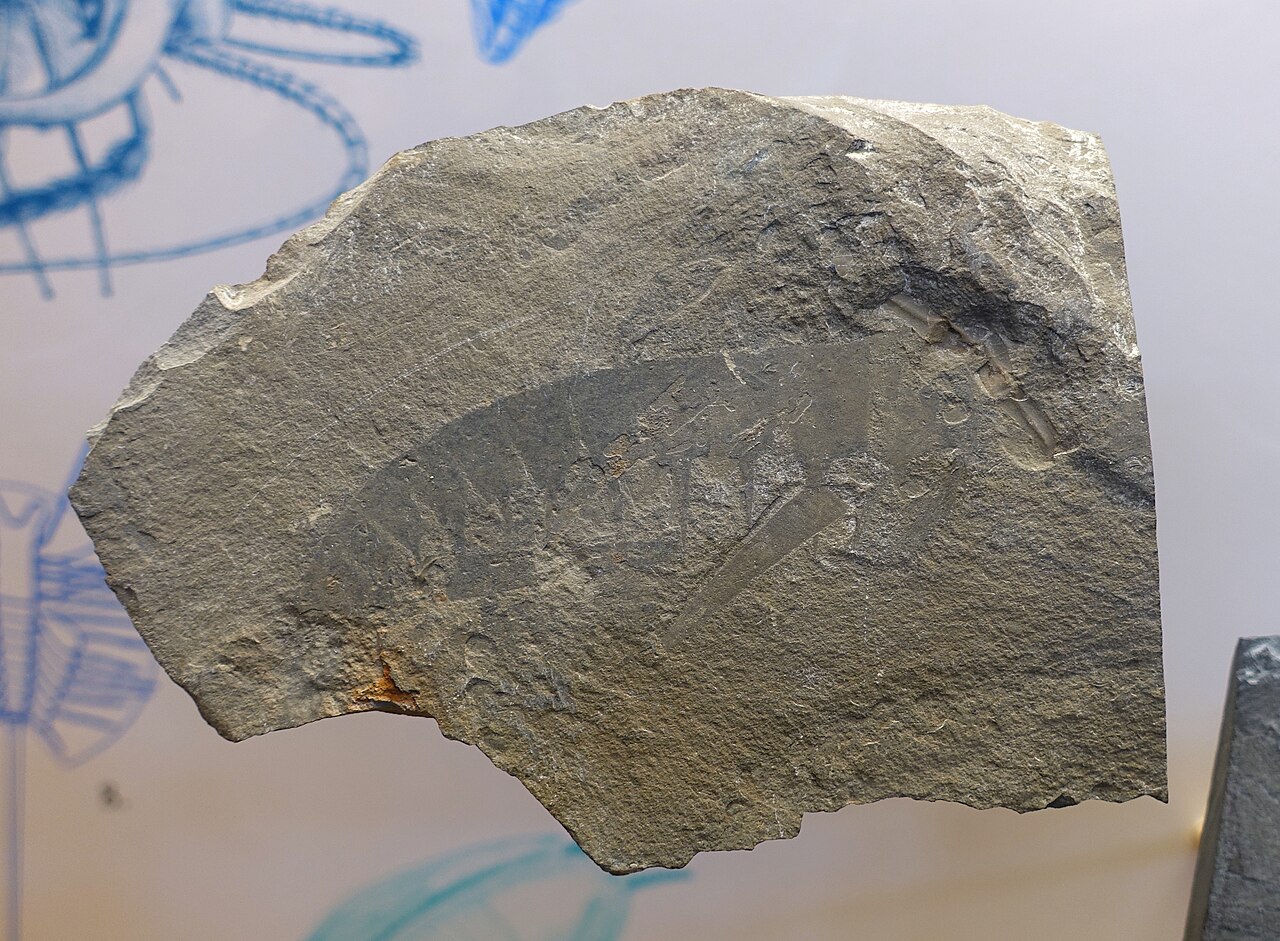
The standard fossil record is inherently biased toward organisms with durable biomineralized hard parts — bones, teeth, calcified shells, and lignified wood. For the overwhelming majority of biological history, soft-bodied organisms (which constitute over 90 percent of animal phyla) decay into nonexistence within hours or days of death, leaving no trace in conventional sandstone or … Read more
Carbonization and Distillation: How High Pressure and Heat Produce Carbon Film Fossils

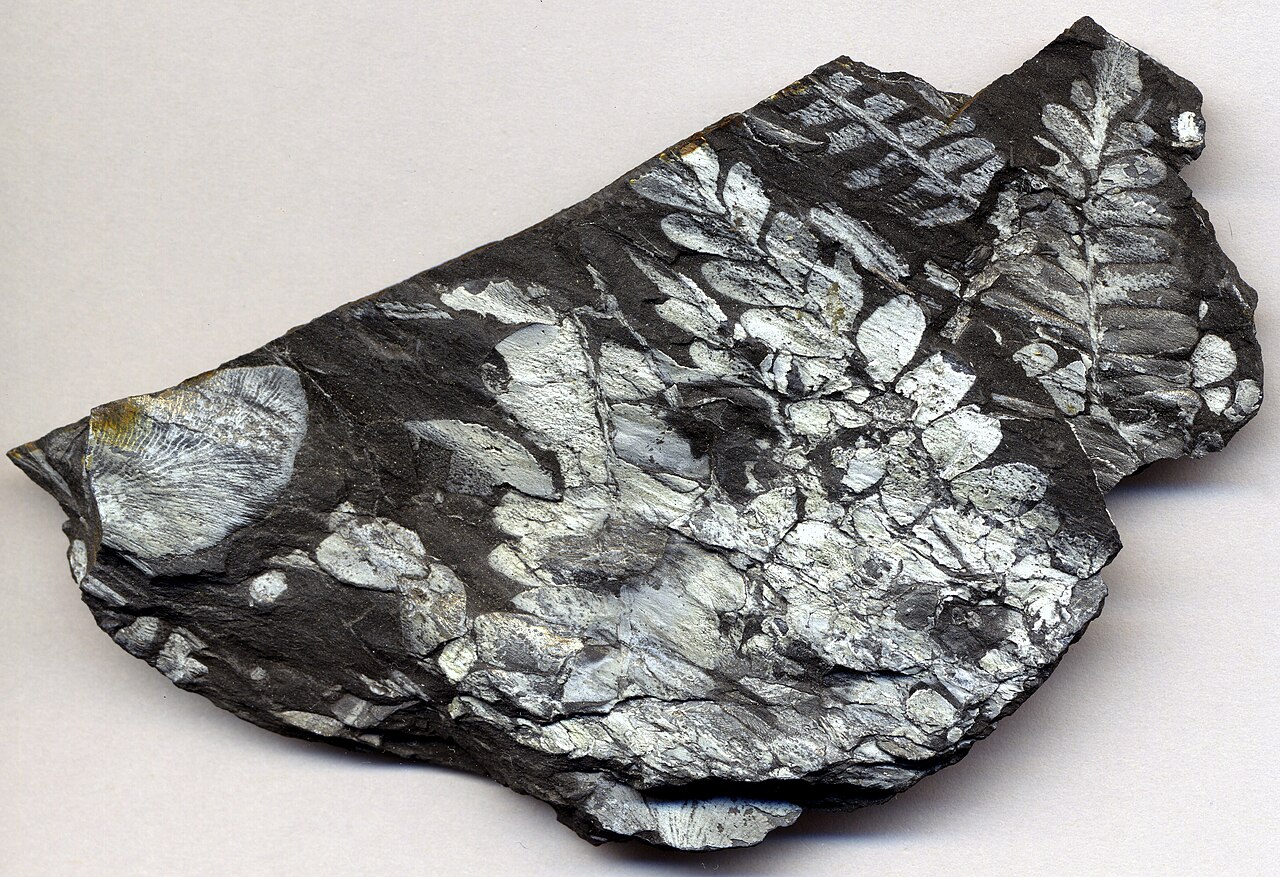
While heavy skeletal bones and petrified mineral logs command grand museum galleries, some of the most delicate evolutionary breakthroughs in paleontology are preserved not as three-dimensional stone replicas, but as gossamer-thin, pitch-black silhouettes etched onto sedimentary shale. This is the realm of carbonization — also referred to by taphonomists as distillation or carbon compression. Through … Read more

Permineralization and Petrifaction: Cellular Silica and Carbonate Replacement in Fossil Forests and Bones

When visitors stroll through the vibrant badlands of Petrified Forest National Park in Arizona, they encounter massive, fallen tree trunks that appear to have been felled only yesterday, complete with bark bark grooves, growth rings, and wood grain. Yet upon touching these logs, one discovers cold, heavy, crystalline stone: quartz, chalcedony, jasper, and agate. This … Read more

Paraceratherium: The Evolutionary Apex of Giant Hornless Rhinocerotoidea in Oligocene Eurasia

Following the catastrophic demise of non-avian dinosaurs 66 million years ago, terrestrial ecosystems were devoid of mega-herbivores. For tens of millions of years during the Paleocene and Eocene epochs, mammals gradually diversified from small, scurrying insectivores into medium-sized ungulates. However, by the Oligocene Epoch (approximately 34 to 23 million years ago), the evolutionary ceiling of … Read more

Megatherium and Giant Ground Sloths: The Pliocene-Pleistocene Titans of the Great American Biotic Interchange

In the modern zoological landscape, tree sloths are synonymous with sluggish, slow-motion arboreal existence — small folivores spending their entire lives suspended upside-down within the lush canopies of Central and South American rainforests. Yet throughout the Cenozoic Era, the evolutionary history of the Xenarthra told a dramatically different story: a lineage of colossal, elephant-sized terrestrial … Read more

The Woolly Mammoth (Mammuthus primigenius): Pleistocene Adaptations, Permafrost Mummies, and Megafaunal Overkill

No creature symbolizes the harsh, glaciated landscapes of the Pleistocene Epoch quite like the Woolly Mammoth (Mammuthus primigenius). Thriving across the vast, arid Mammoth Steppe that stretched uninterrupted from Ireland across Siberia and Beringia into North America, this iconic proboscidean was an extraordinary triumph of extreme cryogenic adaptation. Discovered not merely as fossilized bones, but … Read more

Smilodon and Saber-Toothed Felids: Hyper-Specialized Dentition, Jaw Biomechanics, and Extinction

Throughout the evolutionary history of mammalian carnivores during the Cenozoic Era, no predatory weapon evolved with such terrifying morphological recurrence as the elongated saber-tooth canine. Among all saber-toothed predators, none achieved the iconic status and physical mass of Smilodon — the saber-toothed cat that dominated North and South America during the Pleistocene Epoch (approximately 2.5 … Read more

The Dinosaur-Bird Transition: Archaeopteryx, Sinosauropteryx, and the Origin of Avian Feathers

In 1859, Charles Darwin published On the Origin of Species, outlining the theory of natural selection. In his text, Darwin candidly acknowledged one of the most formidable potential objections to his theory: the apparent lack of transitional “missing links” in the geological record connecting major biological classes. Barely two years later, in 1861, a quarry … Read more

Triceratops and Ceratopsian Evolution: Cranial Frills, Horn Morphometrics, and Defense Dynamics

Across the rich fossil beds of the Late Cretaceous Hell Creek and Lance Formations of western North America, one dinosaurian silhouette stands out as the ultimate paragon of evolutionary defense: Triceratops. With its massive three-horned skull, expansive solid bone neck frill, and compact nine-ton quadrupedal stance, Triceratops was the dominant herbivorous mega-dinosaur of the terminal … Read more

The Sauropod Gigantism Mystery: Respiratory Pneumaticity, High Browsing, and Metabolic Physiology

Among all organisms that ever walked on solid ground across Earth’s four-billion-year history, sauropod dinosaurs stand entirely alone in their sheer scale. While modern terrestrial mammals reach physical upper limits of 10 to 15 metric tons — represented by the extinct hornless rhino Paraceratherium and large African bull elephants — giant sauropods like Argentinosaurus, Patagotitan, … Read more