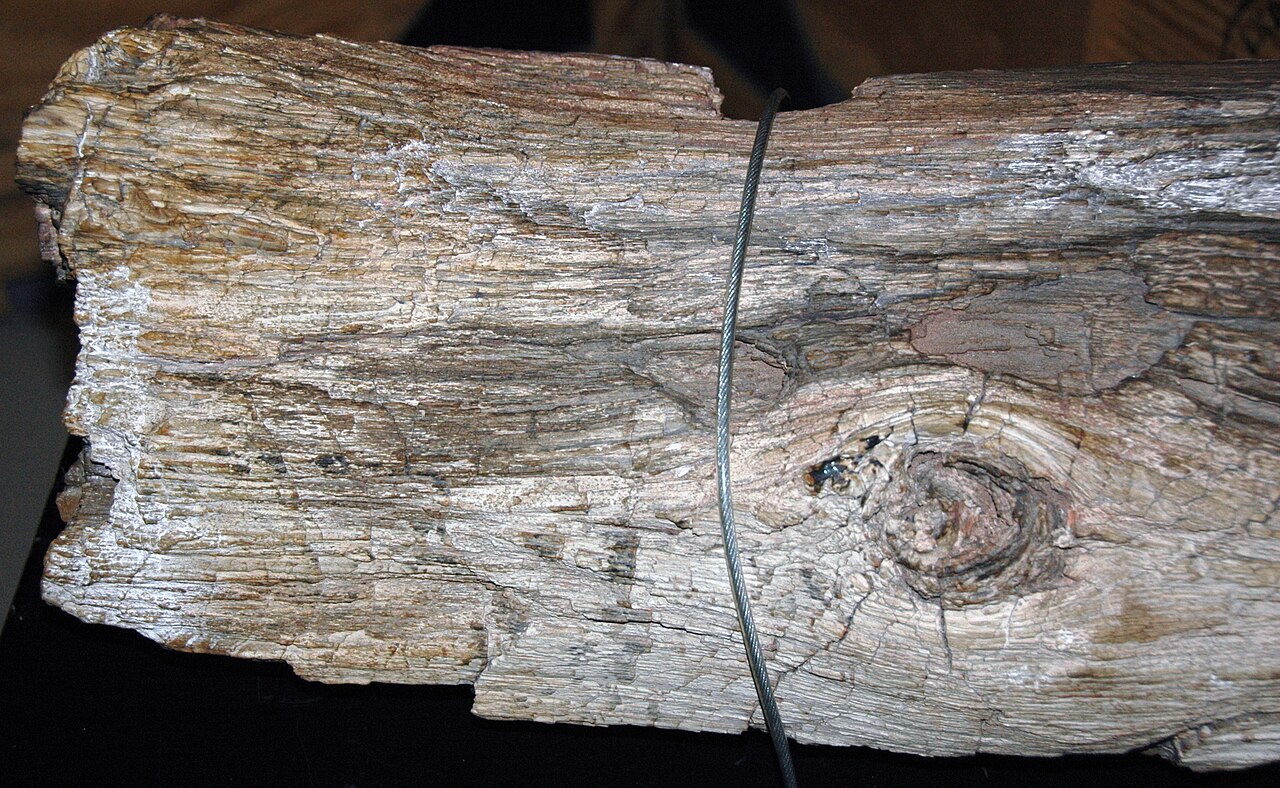
Spanning an immense chronological expanse of nearly 186 million years — from 251.9 million years ago to 66.0 million years ago — the Mesozoic Era is universally celebrated as the Age of Reptiles. Yet to define this profound geological era merely as the dominion of dinosaurs is to overlook the fundamental structural, climatic, and biological crucible that forged the modern biosphere. During the Mesozoic, the supercontinent of Pangea shattered into modern ocean basins, the first flowering plants (angiosperms) bloomed, the earliest placental mammals scurried beneath conifer branches, the skies were conquered by pterosaurs and feathered birds, and the oceans swarmed with marine reptilian leviathans. Divided into three distinct periods — the Triassic, Jurassic, and Cretaceous — the Mesozoic stands as the most dynamic chapter in Earth history.
Executive Takeaway: The Tripartite Mesozoic Odyssey
The Mesozoic Era is structured across three monumental geological periods: the Triassic (the recovery from the Permian extinction and the evolutionary dawn of dinosaurs and mammals), the Jurassic (the breakup of Pangea, greenhouse climates, and the rise of colossal sauropods and allosauroids), and the Cretaceous (the explosion of flowering angiosperms, ceratopsians, tyrannosaurids, and the catastrophic terminal asteroid impact at Chicxulub).
The Triassic Period (251.9 – 201.3 Ma): The Trial by Fire
The Mesozoic opened in the grim, sun-scorched aftermath of the Permian-Triassic Great Dying. During the Early Triassic, the global supercontinent of Pangea stretched from pole to pole, surrounded by the super-ocean Panthalassa. The continental interior was an immense, hyper-arid desert subjected to brutal temperature swings and monsoon floods.
In this crucible, two great reptilian lineages competed for ecological dominance:
- Crurotarsi (Pseudosuchia): The crocodilian stem-lineage, which dominated the Middle and Late Triassic. These included heavily armored herbivorous aetosaurs (e.g. Desmatosuchus), giant terrestrial apex carnivores like Postosuchus (rauisuchians), and amphibious phytosaurs that resembled modern gharials.
- Avemetatarsalia (Ornithodira): The bird and dinosaur stem-lineage, characterized by light, agile bipedal skeletons, advanced respiratory systems, and hinging ankle joints. The earliest true dinosaurs — such as Herrerasaurus and Eoraptor from the Ischigualasto Formation of Argentina (~231 Ma) — were small, fast-running bipedal opportunists that stayed in the shadows of the mighty rauisuchians.
| Mesozoic Period | Geological Duration | Continental Configuration | Dominant Terrestrial Vertebrates | Key Evolutionary Milestone |
|---|---|---|---|---|
| Triassic Period | 251.9 – 201.3 Ma (50.6 million years) | Intact Supercontinent Pangea | Pseudosuchians, rauisuchians, early dinosaurs (Coelophysis) | Origin of true dinosaurs, mammals, turtles, and pterosaurs |
| Jurassic Period | 201.3 – 145.0 Ma (56.3 million years) | Pangea rifts into Laurasia and Gondwana | Giant sauropods (Diplodocus, Brachiosaurus), Allosaurus, Stegosaurus | First birds (Archaeopteryx), true crabs, radiation of ammonites |
| Cretaceous Period | 145.0 – 66.0 Ma (79.0 million years) | Modern continents fragment; Western Interior Seaway | Tyrannosaurids, Ceratopsians, Hadrosaurids, Titanosaurs | Angiosperm (flowering plant) explosion, co-evolution with insect pollinators |
The Triassic-Jurassic Extinction: Clearing the Path
Approximately 201.3 million years ago, the Mesozoic was rocked by another global extinction: the End-Triassic Extinction. As Pangea began to split apart, tectonic rifting tore open the Central Atlantic Magmatic Province (CAMP), triggering immense flood basalt volcanism. Atmospheric CO2 spiked, oceans acidified, and global temperatures soared.
The dominant crurotarsan reptiles — the rauisuchians, aetosaurs, and phytosaurs — were wiped out entirely, leaving only small, semi-aquatic crocodilian ancestors. The dinosaurs, possessing insulated proto-feather coats that protected them from volcanic winters and superior unidirectional air-sac lungs, survived the crisis virtually unscathed. The path was clear: the Jurassic would belong to the dinosaurs.
The Jurassic Period (201.3 – 145.0 Ma): The Golden Age of Giants
The Jurassic world transformed into a warm, lush, tropical greenhouse. With Pangea rifting into northern Laurasia and southern Gondwana, oceanic moisture penetrated continental interiors, nurturing colossal gymnosperm forests of conifers, cycads, and ginkgoes. In the Morrison Formation of North America and the Tendaguru Formation of Tanzania, terrestrial ecosystems achieved sizes never witnessed before or since.
Colossal sauropods — Brachiosaurus, Apatosaurus, Diplodocus, and Giraffatitan — harvested tree canopies, while plated stegosaurs used spiked thagomizers to defend against the apex theropod of the epoch: Allosaurus fragilis. Meanwhile, in the skies, pterosaurs diversified into long-tailed rhamphorhynchoids, and in the lagoons of Solnhofen, Archaeopteryx took flight, marking the official evolutionary birth of birds.
The Mesozoic Marine Revolution
The Mesozoic seas were not populated by dinosaurs (which were strictly terrestrial), but by magnificent marine reptilian clades: sleek, dolphin-like Ichthyosaurs capable of deep oceanic diving, long-necked Plesiosaurs, and apex predatory Pliosaurs with 10-foot skulls capable of crushing bone. Beneath them, an evolutionary arms race termed the Mesozoic Marine Revolution saw gastropods, crabs, and teleost fish evolve advanced shell-crushing apparatuses, forcing bivalves and echinoderms to evolve thicker spines or burrow deep into seafloor sediments.
The Cretaceous Period (145.0 – 66.0 Ma): The Angiosperm Revolution
The Cretaceous was the longest period of the Mesozoic, spanning 79 million years. Continents separated into nearly modern configurations, and epicontinental shallow seas — such as the Western Interior Seaway dividing North America — supported colossal mosasaurs and giant sea turtles like Archelon.
The most consequential biological event of the Cretaceous was the Angiosperm Radiation — the emergence of true flowering plants. Evolving colorful petals, nectars, and fruits, angiosperms entered into a revolutionary mutualistic co-evolutionary partnership with pollinating insects: bees, butterflies, moths, and beetles. This botanical revolution transformed dinosaurian herbivory: self-sharpening dental batteries evolved in massive herds of ceratopsians (Triceratops) and hadrosaurs (Edmontosaurus), which in turn fueled the hyper-specialized bone-crushing evolution of Tyrannosaurus rex.
The Chicxulub Impact: The Curtain Falls
On a spring morning 66.0 million years ago, the magnificent Mesozoic Era came to an abrupt, violent termination. A six-mile-wide carbonaceous chondrite asteroid travelling at 45,000 miles per hour slammed into the shallow carbonate-evaporite shelf of the Yucatán Peninsula in Mexico, carving a crater over 110 miles wide: the Chicxulub Crater.
The kinetic impact released energy equivalent to ten billion Hiroshima atomic bombs. A catastrophic thermal pulse baked the hemisphere in minutes; mega-tsunamis hundreds of feet high inundated coastlines; and trillions of tons of pulverized sulfur, vaporized rock, and soot were injected into the stratosphere, blocking sunlight and plunging the Earth into an impact winter that halted photosynthesis for over a decade. All non-avian dinosaurs, pterosaurs, ammonites, mosasaurs, and plesiosaurs perished. Yet beneath the smoking ashes, small burrowing mammals, crocodiles, turtles, and feathered avian dinosaurs survived — inheriting a shattered world and stepping forward to inaugurate the Cenozoic Era.